Jasmine rice is known for its delicate floral aroma, soft texture and slightly sticky grains. Originally from Thailand, this long-grain rice has become a staple in many kitchens because it pairs beautifully with stir-fries, curries, roasted vegetables, and nourishing bowls.
Cooking jasmine rice properly ensures the grains remain light, tender and fragrant rather than mushy or dry. With the right water ratio and simple technique, it’s easy to achieve perfectly fluffy jasmine rice every time.
What Makes Jasmine Rice Different?
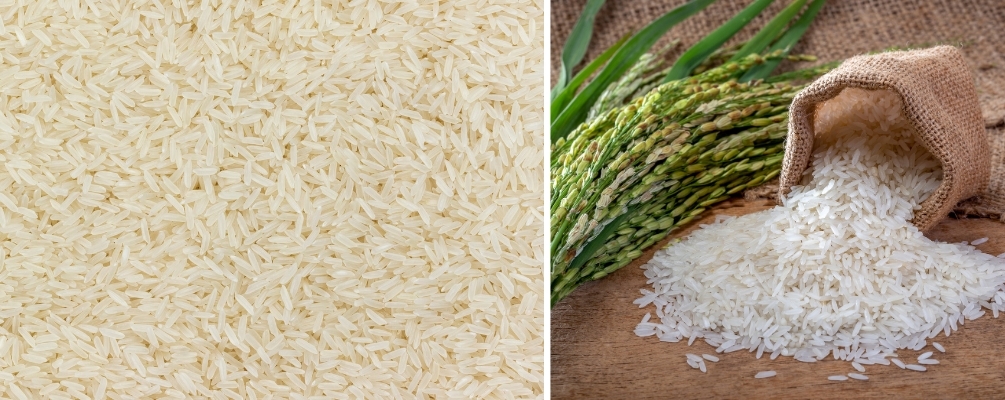
Jasmine rice is a long-grain rice variety prized for its natural fragrance and soft, slightly sticky texture once cooked. Unlike basmati rice, which tends to stay separate and fluffy, jasmine rice becomes a little more tender and cohesive.
This characteristic makes it ideal for:
- Asian-inspired dishes
- Curries and saucy meals
- Rice bowls and stir-fries
Because jasmine rice naturally absorbs flavour well, it’s a versatile base for many nourishing meals.
The Ideal Jasmine Rice Water Ratio
Getting the water-to-rice ratio right is the key to perfect jasmine rice.
Standard ratio:
- 1 cup jasmine rice: 1¼ cups water
This slightly lower water ratio helps keep the grains light and fluffy without becoming overly soft.
Step 1: Rinse the Rice
Before cooking, place the jasmine rice in a bowl or sieve and rinse it under cold water.
Why rinse?
- Removes excess surface starch
- Prevents the rice from becoming gummy
- Helps produce fluffier grains
Rinse until the water becomes mostly clear.
Step 2: Cook the Rice
Add the rinsed rice and water to a saucepan.
Basic stovetop method:
1. Combine 1 cup rice + 1¼ cups water in a pot.
2. Bring to a gentle boil over medium heat.
3. Once boiling, reduce heat to low and cover with a lid.
4. Simmer for 12–15 minutes without lifting the lid.
Keeping the lid closed allows the rice to steam evenly and absorb the water properly.
Step 3: Let It Rest
After cooking, remove the pot from the heat and let the rice rest for 10 minutes with the lid on.
This step allows the remaining steam to finish cooking the grains and helps them firm up slightly.
Step 4: Fluff and Serve
Use a fork or rice paddle to gently fluff the rice.
This separates the grains while keeping the rice soft and aromatic.
Perfectly cooked jasmine rice should be:
- tender but not mushy
- lightly fluffy
- delicately fragrant
Cooking Jasmine Rice in a Rice Cooker
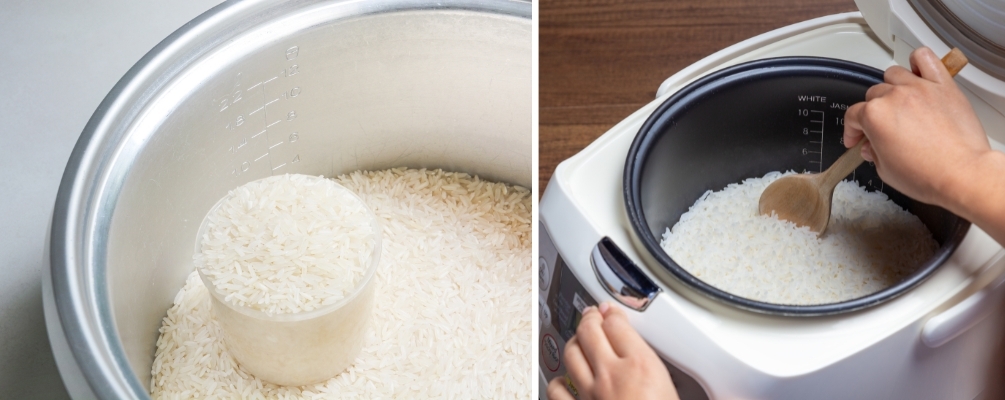
A rice cooker makes the process even easier.
1. Rinse the rice well.
2. Add 1 cup jasmine rice + 1¼ cups water to the cooker.
3. Select the white rice setting.
4. Allow the rice to rest for 5–10 minutes after cooking.
Rice cookers maintain consistent heat and moisture, helping produce reliable results every time.
Common Mistakes When Cooking Jasmine Rice
- Using too much water This can make the rice overly soft or sticky.
- Skipping the rinse Unrinsed rice can become gummy due to excess starch.
- Stirring while cooking Stirring releases starch and affects the rice texture.
- Opening the lid too often This releases steam and interrupts the cooking process.
Simple Ways to Serve Jasmine Rice
Jasmine rice is incredibly versatile and can be enjoyed in many ways:
- paired with vegetable stir-fries
- served alongside curries and soups
- used in nourishing grain bowls
- combined with legumes and roasted vegetables
- lightly seasoned with herbs, spices, or coconut milk
Its gentle fragrance complements both savory and mildly spiced dishes.
Final Thoughts
Cooking jasmine rice perfectly is simple once you know the right technique. With the proper water ratio, gentle simmering and resting time, you can achieve soft, fluffy and aromatic rice every time.
Whether served with hearty curries, vibrant vegetables or wholesome grain bowls, jasmine rice remains a comforting and versatile staple in many kitchens.
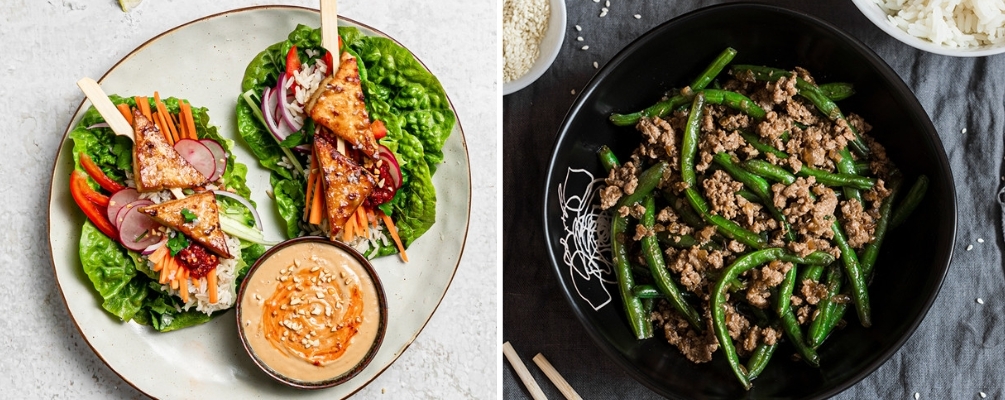
Recipes:
>>> Lettuce Wraps with Umami Tofu and Brown Jasmine Rice
>>> Chinese Greens & Beans with Mince Stir-Fry



![Introducing Broth of Life [Supplier Spotlight]](https://cdn11.bigcommerce.com/s-dis4vxtxtc/images/stencil/160w/uploaded_images/broth-of-life.jpg "Introducing Broth of Life [Supplier Spotlight]")