
Protein powder can be a simple and effective way to support everyday nutrition, but with so many options on the market it can be hard to know where to start. From plant based protein powder options to clean whey protein, each type offers different benefits depending on your lifestyle and goals.
This guide breaks it all down so you can find your perfect match.
Why Use Protein Powder?
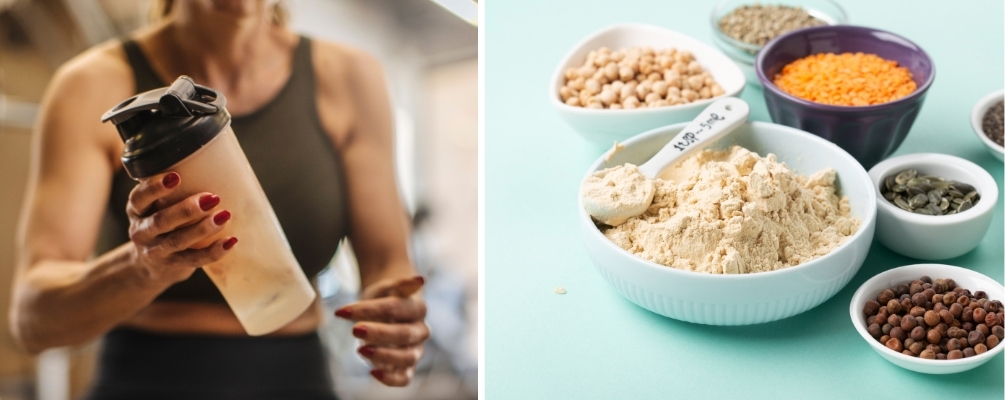
Protein powder is a convenient way to help support your daily protein intake, especially when life gets busy. It’s not just for athletes – it’s used by people looking to support general wellbeing, energy, muscle recovery and satiety.
Here’s why protein powder is so popular:
- Convenient source of high-quality protein
- Supports muscle repair and maintenance
- Helps keep you fuller for longer, supporting weight management
It’s especially helpful for those on plant based diets or anyone who struggles to meet protein needs through food alone.
Types of Protein Powder: Plant Based vs Animal Protein – What’s the Difference?
Protein powders generally fall into two main categories: plant based protein and animal-based protein.
Animal-based protein
- Whey protein – a milk-derived powder that absorbs quickly
- Casein – also from milk, but digests more slowly for a steady protein release
Plant based protein powder
A plant based protein powder is made from natural plant sources such as peas, rice, hemp and seeds. These are naturally dairy-free and suitable for vegan and vegetarian lifestyles.
Common plant based protein sources include:
- Pea protein
- Brown rice protein
- Hemp protein
- Pumpkin seed protein
Plant-based protein powder
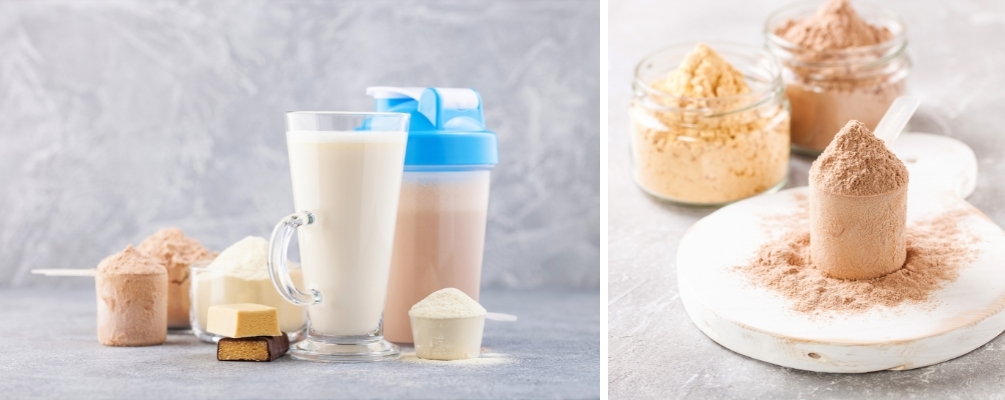
A plant based protein powder is made from natural plant sources such as peas, rice, hemp and seeds. These are naturally dairy-free and suitable for vegan and vegetarian lifestyles.
Common plant based protein sources include:
- Pea Protein
- Brown Rice Protein
- Hemp Protein
- Pumpkin Seed Protein
Key differences & perks
Animal-based protein (whey):
- Complete protein with all essential amino acids
- Fast-digesting
- Popular for muscle recovery
Plant based protein powder:
- Dairy-free and vegan-friendly
- Often easier to digest
- Typically more sustainable
Both options can support health and fitness goals – the best choice depends on your dietary needs and preferences.
What is Whey Protein?
If you’re wondering what is whey protein, it is a high-quality animal-based protein derived from milk during the cheese-making process.
Our Organic Whey Protein is made from pasture-raised, grass-fed New Zealand dairy and is designed to be as simple and clean as possible.
It contains:
- Around 80% protein
- All nine essential amino acids
- Naturally occurring BCAAs (branched-chain amino acids)
- Key minerals including calcium, magnesium and iron
Because it is minimally processed, it may not dissolve instantly like highly refined powders, but a quick shake or blend is usually all that’s needed.
Pea Protein vs Whey: Which One’s for You?
Let’s compare two of the most popular players:
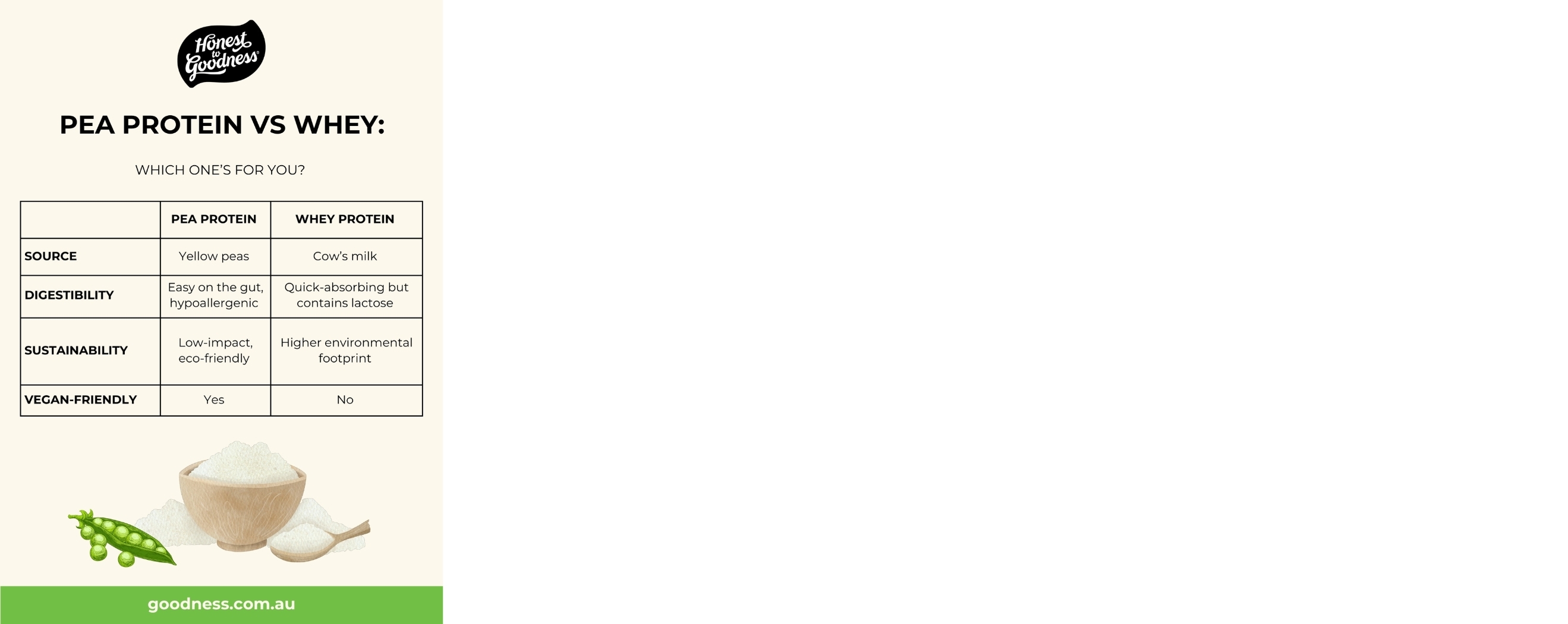
A common comparison is pea protein powder vs whey protein.
- Pea protein powder is a plant based protein that is dairy-free, gentle on digestion and suitable for vegans. It is naturally high in amino acids and works well for everyday nutrition and recovery.
- Whey protein is a complete animal-based protein that is fast-digesting and widely used for muscle support and recovery.
If you’re looking for a plant based protein powder that avoids dairy, pea protein is a great option. If you want a complete animal protein with rapid absorption, whey may be the better fit.
What About Hemp Protein Powder?
Another popular plant based option is hemp protein powder.
Hemp protein powder is made from hemp seeds and is known for its nutrient density and wholefood profile. It offers:
- Naturally occurring healthy fats (including omega-3s)
- Fibre to support digestion
- Key minerals like magnesium and iron
It has a slightly nutty flavour and is often used in smoothies, baking or combined with other plant proteins for a more balanced amino acid profile.
How to Choose Protein Powder
When choosing the right protein powder, it helps to look beyond marketing claims and focus on quality and suitability.
Here’s what to consider:
- Protein per serve – ideally 15–20g or more
- Ingredient list – short, simple and free from unnecessary additives
- Certifications – organic, non-GMO or minimally processed options
- Dietary needs – plant based protein powder vs whey protein
- Taste and texture – smooth and easy to mix for everyday use
The best protein powder is the one that fits seamlessly into your routine.
Summary: Finding Your Perfect Protein Powder
There’s no single best protein powder – only what works best for you.
Whether you choose a plant based protein powder like pea or hemp, or a clean whey protein, each option offers unique benefits to support your health, energy and nutrition goals.
At Honest to Goodness, we offer a range of clean, organic protein powders including pea protein powder, hemp protein powder, sprouted plant proteins and pure organic whey protein – so you can choose what suits your lifestyle best.
Explore the range and find your perfect match – the wholesome way.



![Fish4Ever [Supplier Spotlight]](https://cdn11.bigcommerce.com/s-dis4vxtxtc/images/stencil/160w/uploaded_images/fish4ever-thumbnai.jpg "Fish4Ever [Supplier Spotlight]")