Sustainable fishing is about catching fish in a way that protects ocean ecosystems, supports fishing communities, and ensures fish populations can continue to thrive for future generations. It’s not just about how much fish is caught but how, where, and by whom it is caught.
At its core, sustainable fishing balances three key elements: the environment, people and the economy. True sustainable seafood considers the health of marine life, the wellbeing of fishing communities and the resilience of the industry itself.
A Holistic Approach: Sea, Land and People
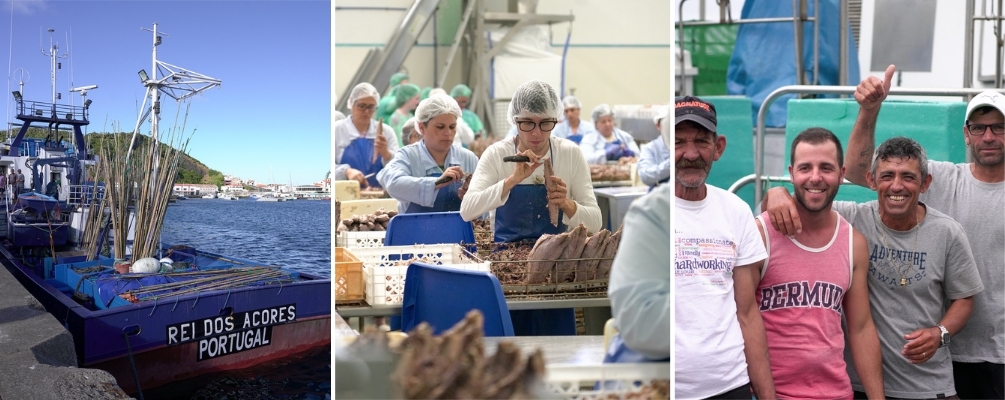
Fish4Ever takes a “land, sea, people” approach to sustainability, which requires a complete view of the seafood system - from ocean to shore.
The Sea
Responsible fishing methods are essential. Sustainable fisheries:
- Use selective, low-impact gear such as pole and line fishing
- Avoid damaging marine habitats
- Prevent overfishing and bycatch (catching unwanted species)
- Minimise bycatch (the accidental capture of non-target species)
Small scale fisheries using pole-and-line techniques catch fish individually, reducing pressure on stocks and protecting marine biodiversity.
The Land
Sustainability doesn’t start at sea - it begins on land. The use of organic farming practices helps reduce harmful chemicals that can wash into rivers and oceans, ultimately protecting marine environments.
The People
Sustainability also includes supporting people. This means:
- Working with small, local fishing communities
- Ensuring fair pay and ethical working conditions
- Keeping supply chains short and transparent
Supporting local boats helps sustain livelihoods and keeps economic benefits within fishing communities.
Why Small-Scale Fishing Matters
One of the strongest principles behind sustainable fishing is the focus on small boats over industrial fleets.
Small-scale fisheries:
- Fish in more precise, controlled areas
- Catch only what is needed
- Cause less environmental disruption
- Support local economies
Fish4Ever believes this is the “true” path to sustainability, as it reduces pressure on fish stocks while helping communities thrive.
Key Principles of Sustainable Fishing
A sustainable fishery typically follows these principles:
- Avoid overfishing – Only take fish at a rate the ocean can replenish
- Protect biodiversity – Avoid catching endangered or juvenile fish
- Minimise bycatch – Reduce accidental capture of other marine species
- Use responsible gear – Choose methods like pole-and-line or handline fishing
- Ensure traceability – Know exactly where and how fish is caught
Fish4Ever emphasises transparency and traceability, allowing consumers to know the boat, location, and method behind every catch.
How Sustainability is Measured
Sustainability in fishing can be complex, so responsible brands use structured approaches to assess fisheries. This can include:
- Evaluating environmental impact
- Assessing fishing methods
- Reviewing stock health
- Checking labour and ethical standards
Fish4Ever uses a detailed decision-making system with strict criteria and ongoing reviews to ensure every fishery meets high sustainability standards.
Why Sustainable Fishing Matters
Unsustainable fishing can lead to depleted stocks, ecosystem damage, biodiversity loss and harm to coastal communities.
Choosing sustainably sourced seafood helps:
- Protect ocean ecosystems
- Support ethical fishing practices
- Encourage higher industry standards
- Secure seafood availability for future generations
Every purchasing decision contributes to shaping the seafood industry.
Making Better Seafood Choices
When choosing fish, look for:
- Clear sustainability credentials
- Transparent sourcing information
- Low-impact fishing methods
- Brands that support small-scale fisheries
Fish4Ever represents a commitment to responsible sourcing, environmental stewardship and long-term food security.
Final Thought
Sustainable fishing isn’t just a label. It’s a commitment. It’s about respecting the ocean, valuing the people who depend on it, and ensuring that future generations can continue to enjoy seafood.
By choosing responsibly sourced fish, we all play a part in protecting the oceans and supporting a more sustainable food system.
![Fish4Ever [Supplier Spotlight]](https://cdn11.bigcommerce.com/s-dis4vxtxtc/images/stencil/160w/uploaded_images/fish4ever-thumbnai.jpg "Fish4Ever [Supplier Spotlight]")