When it comes to choosing seafood, one of the biggest questions is whether to go for wild-caught or farmed fish. Both have a place in a sustainable food system but they differ in how they’re produced, their environmental impact, and their role in supporting seafood supply.
Wild-Caught Fish
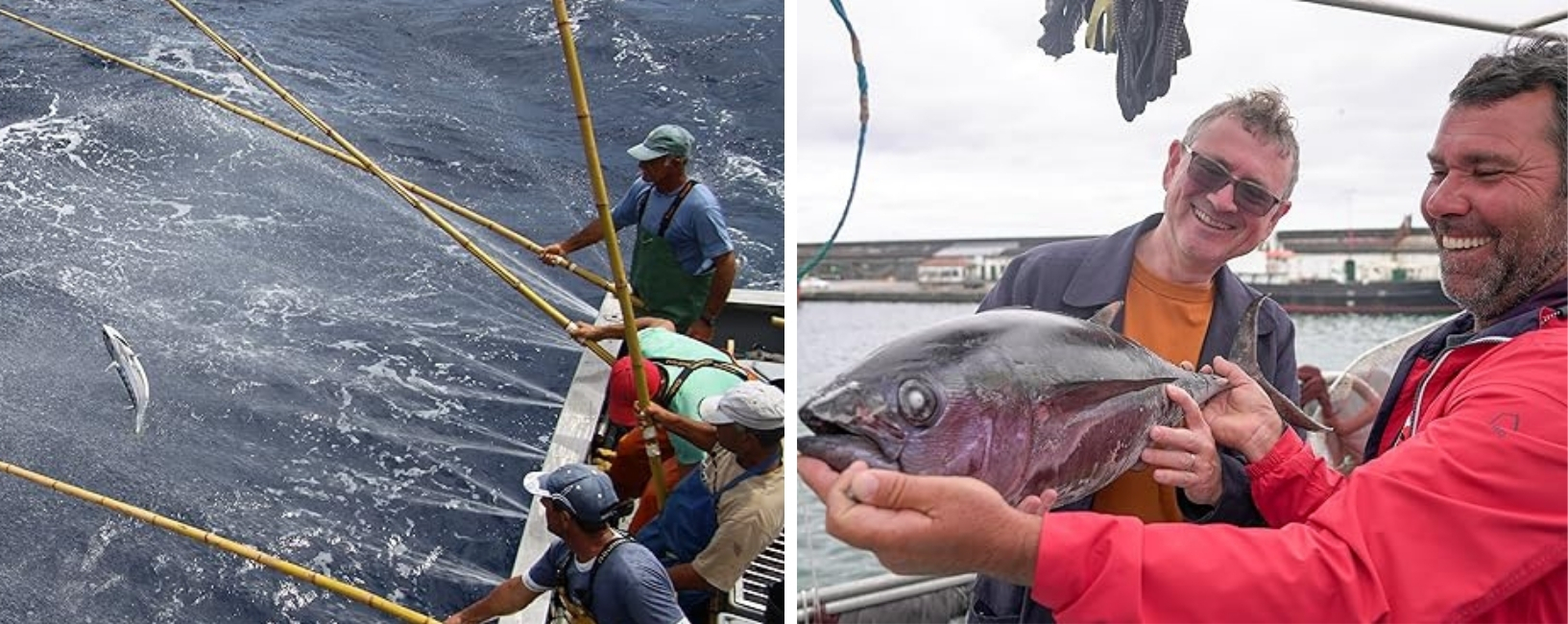
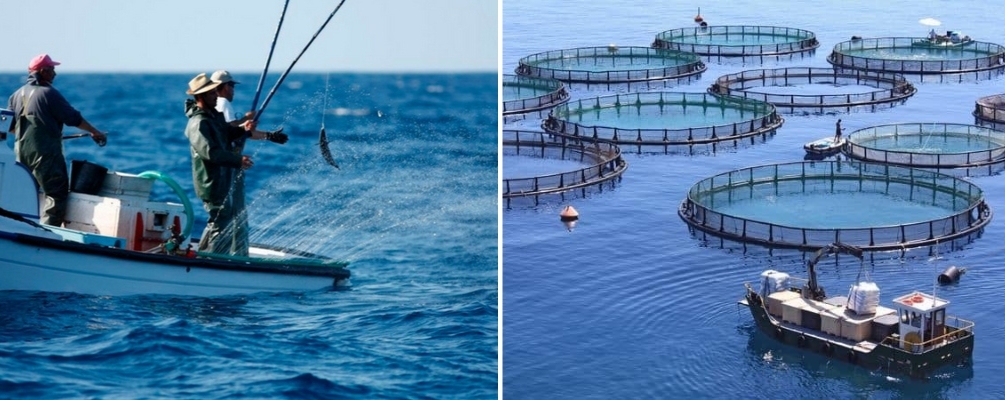
Wild-caught seafood is harvested from natural ocean, river, or lake environments. This is the traditional way of sourcing fish and includes methods like pole-and-line, handline, and small-scale net fishing.
Pros:
- Naturally occurring diet (no added feed or antibiotics)
- Often lower in certain contaminants
- Can be highly sustainable when managed responsibly
- Supports small-scale and local fishing communities
Cons:
- Risk of overfishing if not properly managed
- Bycatch (unintended species caught) depending on the method
- Supply can be less predictable
At Fish4Ever, wild-caught seafood is sourced using low-impact methods that prioritise sustainability, traceability, and ocean health.
Farmed Fish (Aquaculture)
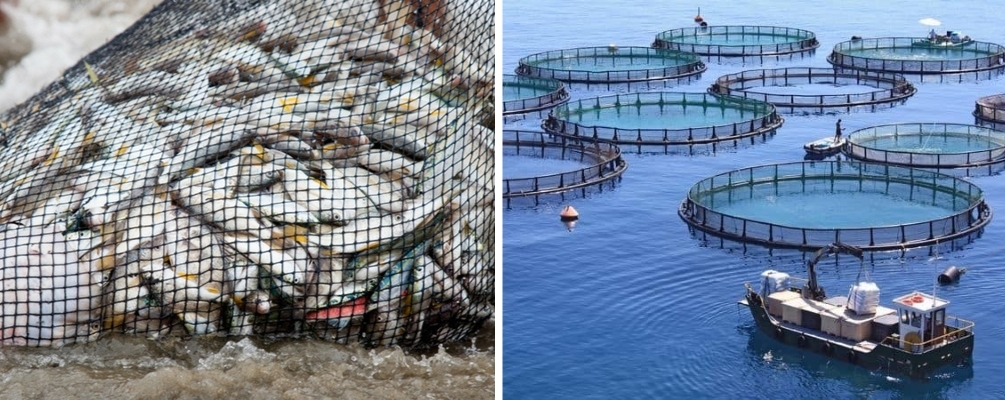
Farmed fish are raised in controlled environments such as tanks, ponds, or sea cages. This method now accounts for a significant portion of global seafood production.
Pros:
- Helps meet global demand for seafood
- Can reduce pressure on wild fish stocks
- Controlled environments can limit overfishing
Cons:
- Potential for environmental pollution (waste, chemicals)
- Fish may be fed processed feed, sometimes containing wild fish
- Risk of disease spread in dense farming systems
- Varying welfare and sustainability standards
Which Is More Sustainable?
There’s no one-size-fits-all answer. Sustainability depends on:
- How the fish is caught or farmed
- The species
- The location
- The standards of the producer
For example:
- Some wild fisheries are highly sustainable and well-managed
- Some aquaculture systems are innovative and environmentally responsible
- Others (in both categories) can have negative impacts
That’s why choosing seafood from transparent, ethical sources like Fish4Ever is so important. They focus on responsibly sourced wild fish, working with small-scale fisheries that minimise environmental impact and support coastal communities.
Making the Right Choice
When deciding between wild and farmed seafood, consider:
- Source transparency
- Fishing or farming methods
- Sustainability certifications
- Environmental impact
Look for brands that clearly explain where their seafood comes from and how it’s produced.
The Bottom Line
Both wild-caught and farmed seafood can be sustainable or unsustainable depending on how they are managed. The key is responsible sourcing.
Choosing seafood from trusted, transparent suppliers helps protect our oceans, support fishing communities, and ensure we can continue enjoying seafood for generations to come.


![Introducing Broth of Life [Supplier Spotlight]](https://cdn11.bigcommerce.com/s-dis4vxtxtc/images/stencil/160w/uploaded_images/broth-of-life.jpg "Introducing Broth of Life [Supplier Spotlight]")