
Spelt and Wheat: What Sets Them Apart?
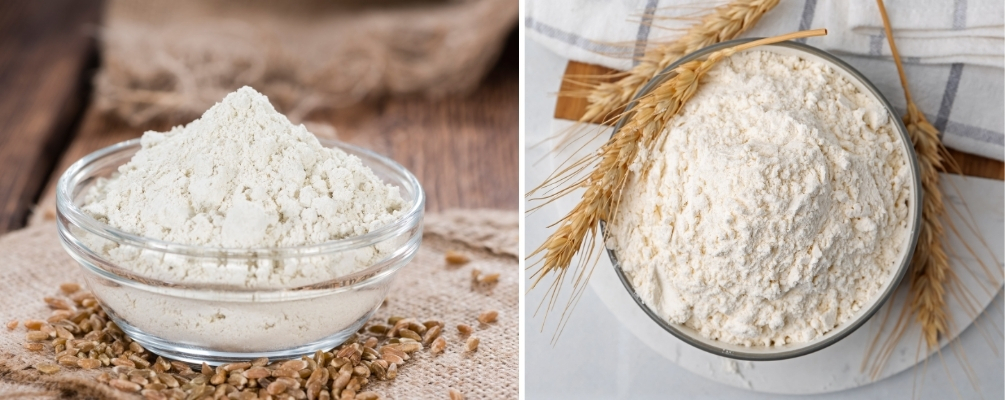
Spelt and wheat are closely related grains, but they behave differently in the kitchen. While wheat is a familiar staple in baking, spelt offers a slightly different texture and flavour that can bring variety to everyday cooking.
Understanding how each works can help you choose the right option for your recipe.
Taste and Texture
Flavour
- Spelt has a mild, nutty flavour with subtle sweetness
- Wheat is more neutral and familiar
Texture in Baking
- Spelt flour produces a softer, more tender crumb
- Wheat flour creates more structure and elasticity
Cooking and Baking Differences
Spelt behaves slightly differently from wheat:
- It absorbs liquid more slowly
- It benefits from less mixing
- It can produce a lighter, softer texture
Wheat, on the other hand, is more stable and consistent, making it ideal for recipes that require structure.
How to Use Spelt in Recipes
Spelt is versatile and can be used in:
- Bread, muffins and pancakes
- Biscuits and baked goods
- Whole grain salads or soups
When substituting:
- Use a 1:1 ratio, but reduce liquid slightly if needed
When Wheat Works Best
Wheat is better suited for:
- Structured breads
- Traditional baking recipes
- Doughs that require elasticity
Choosing What Works for You
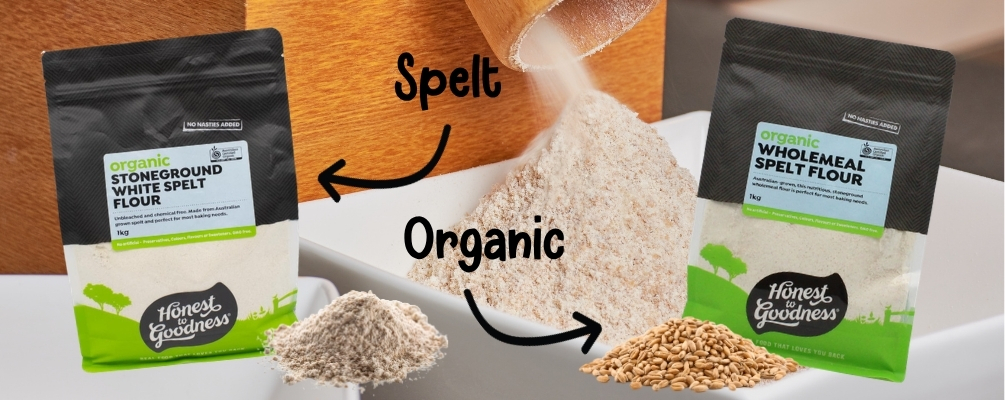
Both spelt and wheat have their place in the kitchen. Spelt offers a slightly different flavour and texture, while wheat remains a reliable, everyday staple.
Using a mix of both can bring more variety and flexibility to your cooking and baking.
Find out more:
White Spelt Flour
Wholemeal Spelt Flour
![General Wholefoods [Supplier Spotlight]](https://cdn11.bigcommerce.com/s-dis4vxtxtc/images/stencil/160w/uploaded_images/general-wholefoods-1.jpg "General Wholefoods [Supplier Spotlight]")


![goodMix [Supplier Spotlight]](https://cdn11.bigcommerce.com/s-dis4vxtxtc/images/stencil/160w/uploaded_images/goodmix-thumbnail.jpg "goodMix [Supplier Spotlight]")