
If you’re searching for a warm, comforting brew without the "jitters" of caffeine, rooibos tea is your perfect match. Known for its deep amber hue and naturally sweet, earthy profile, this South African staple has become a global favourite for those prioritising wellness and relaxation.
In this guide, we’ll dive into the science behind why rooibos is naturally caffeine-free, its most impressive health benefits, and how it compares to traditional black tea.
What Exactly Is Rooibos Tea?
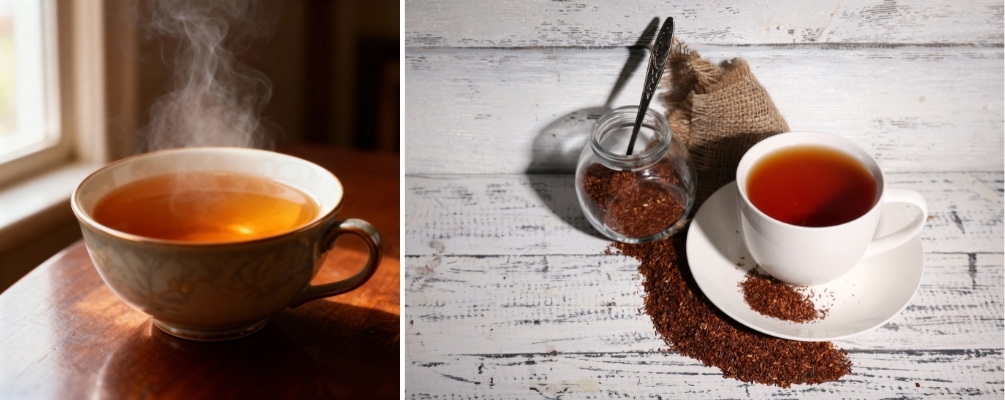
Commonly called "Red Bush" tea, rooibos (pronounced roy-boss) comes from the leaves of the Aspalathus linearis shrub. This plant is found exclusively in the rugged Cederberg Mountains of South Africa.
Unlike black, green, or oolong teas, rooibos is not a "true tea" because it doesn't come from the Camellia sinensis plant. Instead, it is a herbal infusion (tisane).
- Red Rooibos: The leaves are bruised and oxidized, creating a rich, mahogany color and a sweet, nutty flavour.
- Green Rooibos: The leaves are unoxidized, resulting in a lighter, grassy taste and a higher concentration of antioxidants.
Why Is Rooibos Tea Naturally Caffeine-Free?
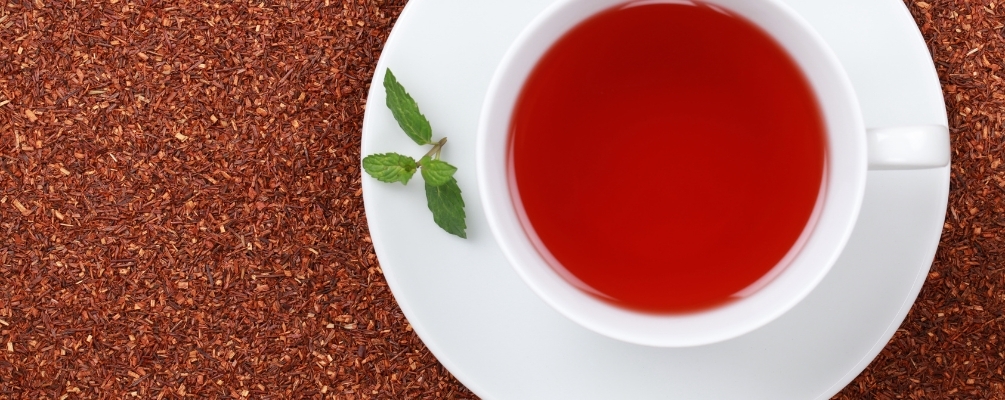
Most tea drinkers are used to "decaf" versions of their favorite brews, which undergo chemical or water-processing to remove caffeine. Rooibos is different.
Because the Aspalathus linearis plant contains zero caffeine in its genetic makeup, rooibos is 100% caffeine-free from the moment it’s harvested. This makes it:
- Sleep-Friendly: An ideal "nightcap" that won't interfere with your circadian rhythm.
- Kid-Safe: A gentle, hydrating option for children.
- Pregnancy-Safe: A popular choice for those reducing caffeine intake (though you should always consult your GP for dietary changes).
- Zero Jitters: No heart palpitations or energy crashes associated with stimulants.
Top 4 Rooibos Tea Benefits
1. Packed with Rare Antioxidants Rooibos is famous for its unique polyphenol content. It contains aspalathin - an antioxidant rarely found in other plants- and quercetin. These compounds help fight oxidative stress and support cellular health.
2. Low in Tannins Have you ever left a tea bag in too long and ended up with a bitter, mouth-drying cup? That’s caused by tannins. Rooibos is naturally low in tannins, ensuring a smooth, mellow cup every time, regardless of steep time.
3. Heart Health & Blood Sugar Support Early studies suggest that the antioxidants in rooibos (specifically aspalathin) may help balance blood sugar levels and improve insulin resistance, making it a functional choice for metabolic health.
4. Naturally Hydrating Unlike caffeinated teas, which can have a mild diuretic effect, rooibos is as hydrating as water. This makes it a fantastic base for iced teas in the summer or post-workout recovery.
|
Feature |
Rooibos Tea |
Black tea |
|
Caffeine Content |
100% Caffeine-Free |
~47mg per cup |
|
Tannin Level |
Very Low (Smooth) |
High (Astringent) |
|
Oxalates |
Low (Safe for Kidney Stones) |
Higher |
|
Flavor Profile |
Sweet, Nutty, Earthy |
Bold, Brisk, Malty |
|
Origin |
South Africa |
Global (Asia/Africa) |
How to Brew the Perfect Cup of Rooibos
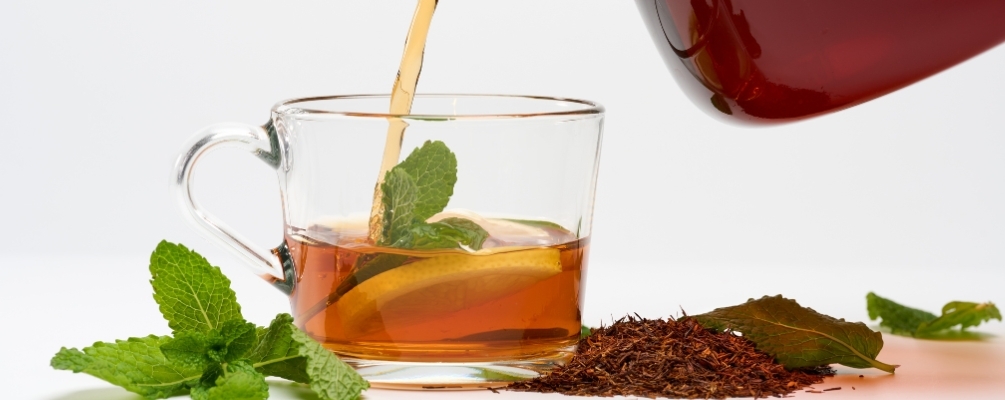
Rooibos is incredibly "forgiving" - it’s almost impossible to over-steep!
- Water Temp: Use freshly boiled water (100°C).
- Measure: Use 1 teaspoon of loose leaf or 1 tea bag per 250ml.
- Steep: Let it sit for 5–7 minutes. The longer it steeps, the more antioxidants are released.
- Customize: It’s delicious black, but it also pairs beautifully with a splash of milk (dairy or nut-based) and a drizzle of honey.
![General Wholefoods [Supplier Spotlight]](https://cdn11.bigcommerce.com/s-dis4vxtxtc/images/stencil/160w/uploaded_images/general-wholefoods-1.jpg "General Wholefoods [Supplier Spotlight]")


![goodMix [Supplier Spotlight]](https://cdn11.bigcommerce.com/s-dis4vxtxtc/images/stencil/160w/uploaded_images/goodmix-thumbnail.jpg "goodMix [Supplier Spotlight]")