
What Are Sunflower Seeds?
Sunflower seeds are harvested from the large flowering heads of the sunflower plant, one of the world's most widely cultivated crops. Once harvested, the outer shell is removed to reveal the edible kernel commonly found in supermarkets and health food stores.
Known for their mild, nutty flavour and satisfying crunch, sunflower seed kernels are enjoyed in cuisines around the world. Their versatility makes them a popular ingredient in breakfast cereals, homemade granola, salads, baked goods and savoury dishes.
Available in both raw and roasted varieties, sunflower seeds can be enjoyed as a snack or incorporated into countless everyday recipes.
Are Sunflower Seeds a Nut?
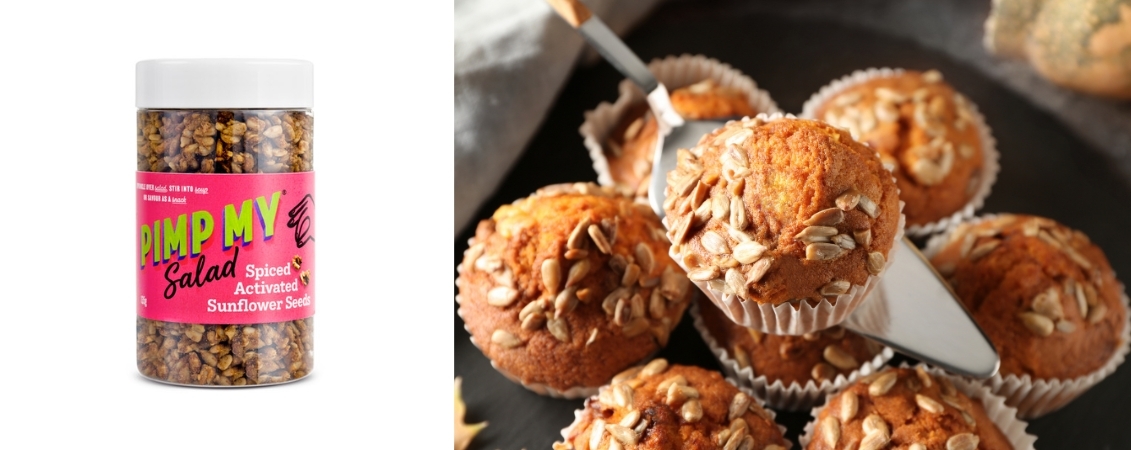
Despite often being found alongside nuts in supermarkets, sunflower seeds are not nuts. They are edible seeds harvested from the sunflower plant.
This makes them a popular alternative for people looking to enjoy the texture and flavour of seeds in recipes. However, individuals with food allergies should always follow advice from their healthcare professional, as sensitivities vary from person to person.
Sunflower Seed Nutrition
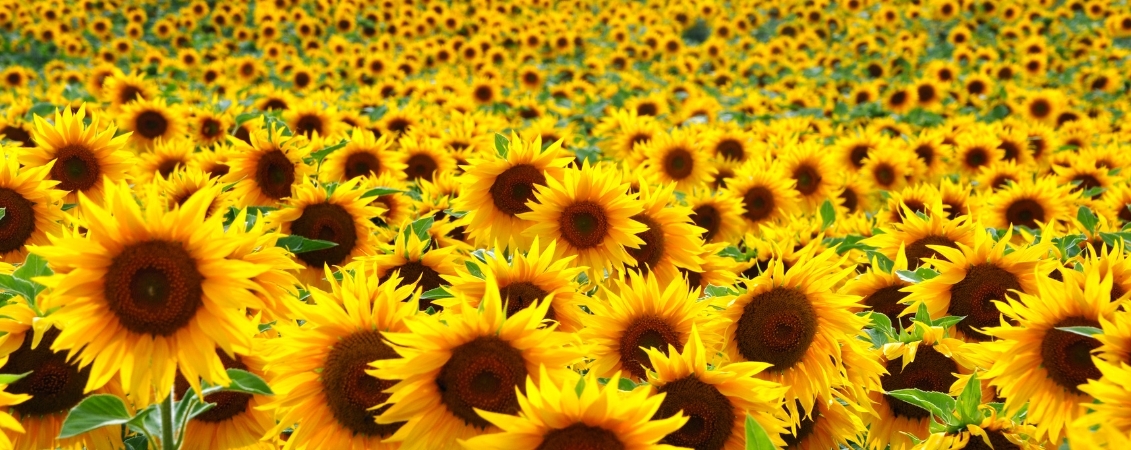
Sunflower seeds are valued for their naturally nutrient-rich composition. While nutritional values vary slightly depending on the variety and whether they are raw or roasted, they naturally contain a range of important nutrients.
|
Naturally Occurring Nutrients |
Found in Sunflower Seeds |
|
Plant Protein |
✓ |
|
Dietary Fibre |
✓ |
|
Healthy Unsaturated Fats |
✓ |
|
Vitamin E |
✓ |
|
Magnesium |
✓ |
|
Selenium |
✓ |
|
Phosphorus |
✓ |
|
Zinc |
✓ |
Because sunflower seeds are energy-dense, they're often enjoyed as part of a varied and balanced diet in moderate portions.
What are The Benefits of Eating Sunflower Seeds?
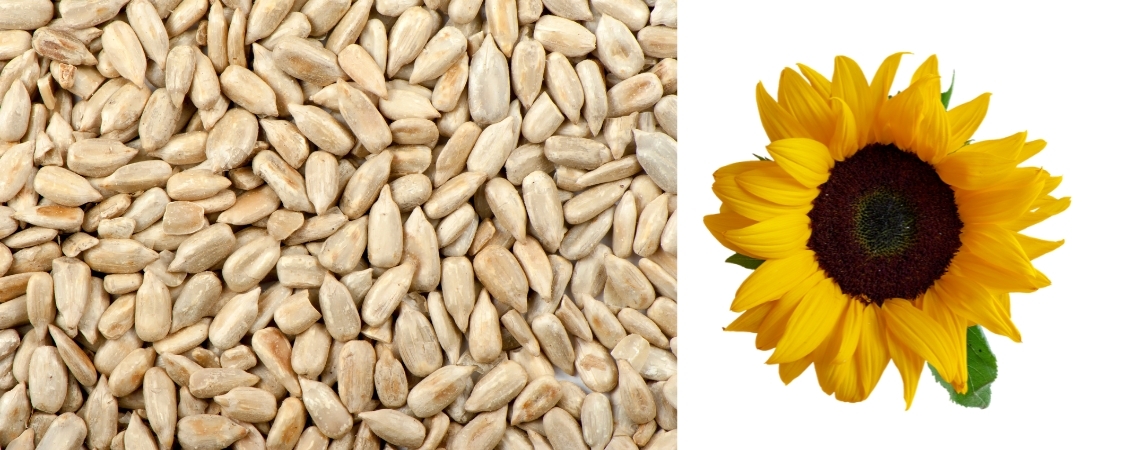
Sunflower seeds are appreciated not only for their delicious flavour but also for the variety of nutrients they contribute to everyday meals.
- Naturally Rich in Healthy Fats
Sunflower seeds naturally contain unsaturated fats, making them a popular ingredient in balanced eating patterns.
- Source of Plant Protein
Protein contributes to the maintenance of muscle and normal body function. Sunflower seeds naturally contain plant protein, making them an easy addition to vegetarian and plant-based meals.
- Provides Dietary Fibre
Dietary fibre plays an important role in a balanced diet. Adding sunflower seeds to breakfast bowls, salads and snacks is a simple way to increase the variety of fibre-rich foods you enjoy.
- Contains Vitamin E
Sunflower seeds naturally contain vitamin E, an essential nutrient that contributes to protecting cells from oxidative stress.
How to Eat Sunflower Seeds
One of the best things about sunflower seeds is how easy they are to incorporate into everyday meals.
Try adding them to:
- Smoothie bowls
- Overnight oats
- Homemade granola
- Trail mix
- Green salads
- Stir-fries
- Homemade bread
- Muffins
- Biscuits
- Energy balls
- Yoghurt
- Roasted vegetables
What Do Sunflower Seeds Taste Like?
Sunflower seeds have a mild, slightly sweet and nutty flavour with a satisfying crunch. Raw sunflower seeds have a delicate taste, while roasting enhances their natural nuttiness and creates a richer flavour. Their subtle taste makes them easy to pair with both sweet and savoury dishes.
Raw vs Roasted Sunflower Seeds
Both raw and roasted sunflower seeds are delicious, with each offering slightly different characteristics.
|
Raw Sunflower Seeds |
Roasted Sunflower Seeds |
|
|
Flavour |
Mild and delicate |
Richer, nuttier |
|
Texture |
Soft crunch |
Crisp crunch |
|
Best For |
Smoothies, baking, muesli |
Snacks, salads, trail mix |
Neither option is inherently better. It simply depends on how you'd like to enjoy them.
Sunflower Seeds vs Pumpkin Seeds
Sunflower seeds and pumpkin seeds are both nutritious pantry staples, but they differ slightly in flavour and texture.
|
Sunflower Seeds |
Pumpkin Seeds |
|
|
Flavour |
Mild, nutty |
Rich, earthy |
|
Texture |
Tender crunch |
Firmer crunch |
|
Colour |
Cream |
Green |
|
Popular Uses |
Baking, granola, salads |
Salads, pesto, snacks |
Which one is better?
Both sunflower seeds and pumpkin seeds are nutritious options with slightly different nutrient profiles. Choosing between them often comes down to personal preference, taste and how you plan to use them.
How to Store Sunflower Seeds
To help maintain freshness:
- Store in an airtight container.
- Keep in a cool, dry pantry.
- Avoid direct sunlight.
- Refrigerate after opening in warmer climates for longer freshness.
- Always reseal the package after use.
Proper storage helps preserve flavour and texture.
Frequently Asked Questions
- Can you eat sunflower seeds every day?
Sunflower seeds can be enjoyed regularly as part of a varied and balanced diet. Because they are energy-dense, many people enjoy them in moderate portions.
- Are sunflower seeds gluten free?
Sunflower seeds are naturally gluten free. If you have coeliac disease or gluten sensitivity, always check the product label for allergen information and manufacturing details.
- Are sunflower seeds vegan?
Yes. Sunflower seeds are naturally plant-based and suitable for vegetarian and vegan diets.
- Can sunflower seeds be roasted at home?
Yes. Sunflower seeds can be lightly roasted in the oven to enhance their natural nutty flavour.
- Do sunflower seeds need to be soaked before eating?
Sunflower seeds can be enjoyed with or without soaking. Some people prefer soaking raw sunflower seeds before using them in recipes such as homemade seed creams or blended sauces, while others enjoy them straight from the pack or lightly roasted. The best option depends on your recipe and personal preference.
- When is the best time to eat sunflower seeds?
There isn't a specific "best" time to eat sunflower seeds. They can be enjoyed throughout the day as part of breakfast, snacks, salads or other meals. Many people add them to yoghurt, overnight oats or homemade trail mix for extra crunch and flavour.
Final Thoughts
Sunflower seeds are a simple yet versatile pantry staple that can be enjoyed in countless ways. Whether sprinkled over salads, blended into smoothies, baked into homemade treats or added to your morning oats, they offer an easy way to add flavour, texture and naturally occurring nutrients to everyday meals.
If you're looking for premium-quality sunflower seeds, explore our Australian Sunflower Seed Kernels. They're perfect for everyday cooking, baking and snacking. For even more inspiration, browse our collection of healthy recipes and discover new ways to enjoy this wholesome ingredient.
![General Wholefoods [Supplier Spotlight]](https://cdn11.bigcommerce.com/s-dis4vxtxtc/images/stencil/160w/uploaded_images/general-wholefoods-1.jpg "General Wholefoods [Supplier Spotlight]")


![goodMix [Supplier Spotlight]](https://cdn11.bigcommerce.com/s-dis4vxtxtc/images/stencil/160w/uploaded_images/goodmix-thumbnail.jpg "goodMix [Supplier Spotlight]")