
What Is Xanthan Gum?
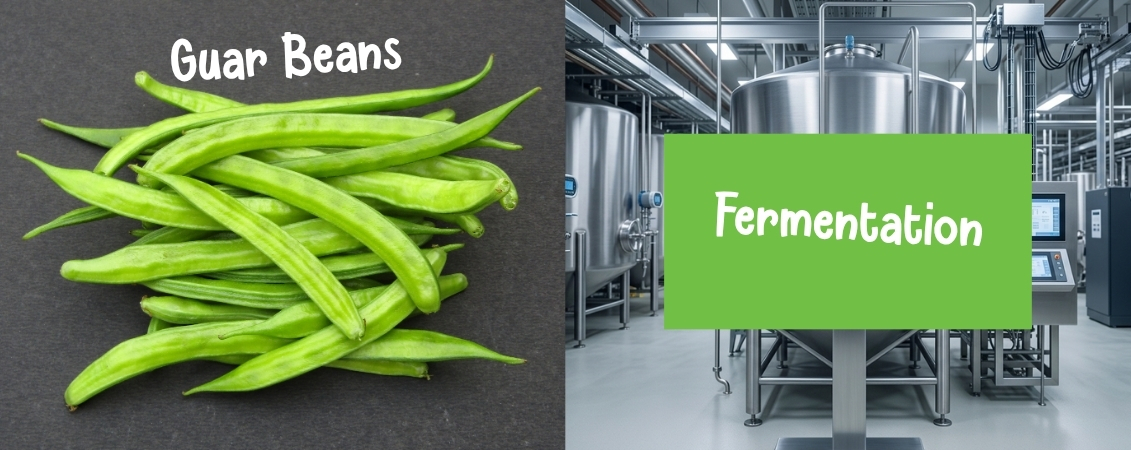
Xanthan gum is a naturally derived polysaccharide produced through the fermentation of simple sugars by the bacterium Xanthomonas campestris. After fermentation, the resulting substance is purified, dried and milled into a fine white powder.
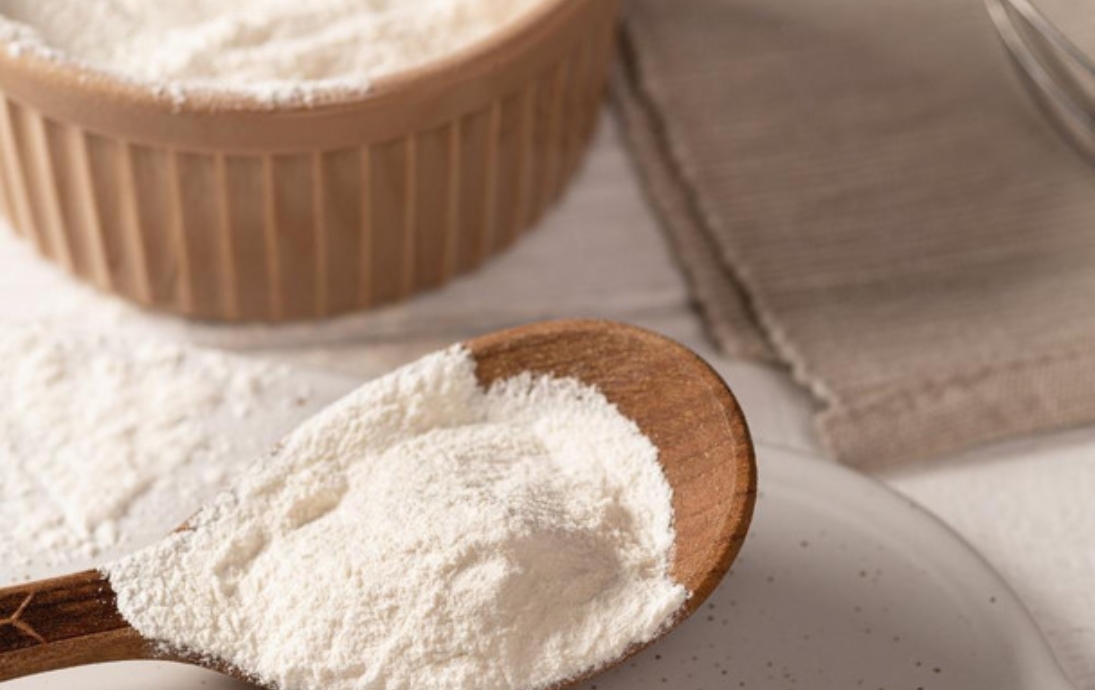
In cooking and food manufacturing, xanthan gum is valued because it performs several important functions:
- Thickens liquids
- Helps blend oil and water
- Improves texture
- Stabilises ingredients
- Adds structure to gluten-free recipes
Although it is widely used in commercial food production, xanthan gum has also become a popular pantry staple for home bakers, particularly those making gluten-free breads, cakes and pastries.
What Is Xanthan Gum Made From?
One of the most common questions about xanthan gum is how it's made.
The process begins with plant-based sugars, such as glucose or sucrose, which are fermented using the naturally occurring bacterium Xanthomonas campestris. During fermentation, the bacteria produce a gel-like substance that is then purified, dried and ground into a fine powder.
Although xanthan gum is produced through fermentation, the finished ingredient is simply a purified food additive used in very small quantities to improve the texture and stability of food.
What Is Xanthan Gum Used For?
Xanthan gum is one of the most versatile ingredients in modern cooking and baking. Because it works in very small amounts, it's commonly used to improve the texture and consistency of a wide variety of recipes.
Popular uses include:
- Gluten-free bread
- Cakes and muffins
- Cookies
- Pancakes
- Sauces
- Salad dressings
- Soups
- Ice cream
- Smoothies
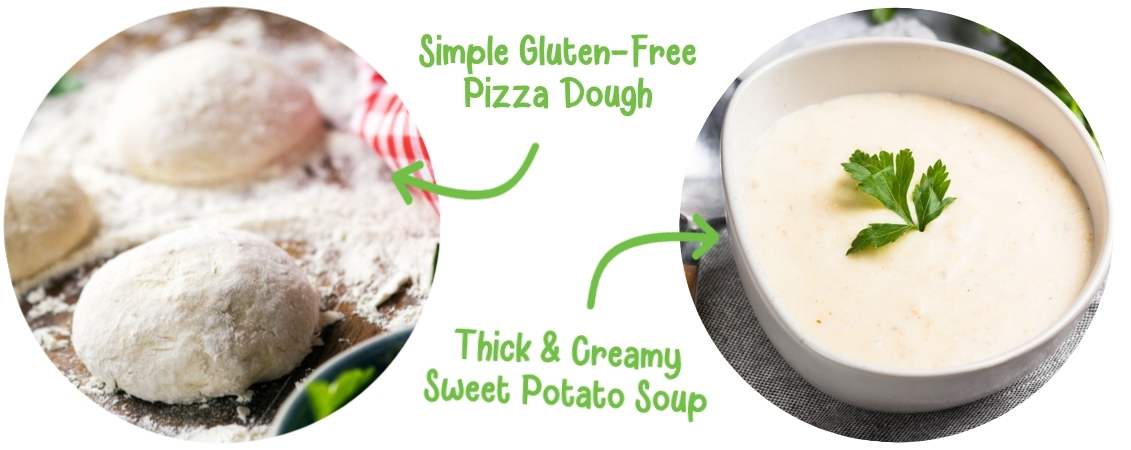
It is particularly valued because it helps ingredients remain evenly mixed and creates a smoother, more consistent texture. Don’t know where to start? Try our Simple Gluten-Free Pizza Dough recipe or Thick & Creamy Sweet Potato Soup.
Why Is Xanthan Gum Used in Gluten-Free Baking?
One of xanthan gum's best-known uses is in gluten-free baking.
Traditional wheat flour contains gluten, which helps create the elasticity and structure needed for breads and baked goods. Gluten-free flours don't naturally provide the same binding properties.
Adding a small amount of xanthan gum can help:
- Improve dough structure
- Reduce crumbling
- Improve elasticity
- Retain moisture
- Create a softer texture
For this reason, xanthan gum is a popular ingredient in homemade gluten-free breads, cakes, muffins and pastries.
How Much Xanthan Gum Should You Use?
Only a small amount of xanthan gum is typically needed.
|
Recipe |
General Guide* |
|
Cakes |
¼–½ teaspoon |
|
Cookies |
¼ teaspoon |
|
Muffins |
¼–½ teaspoon |
|
Bread |
Around 1 teaspoon |
*Always follow the instructions provided in your recipe, as different flours and recipes require different amounts.
Adding too much xanthan gum can create a texture that is overly dense or gummy.
Xanthan Gum vs Guar Gum
Xanthan gum and guar gum are both commonly used as thickening and binding agents, but they perform slightly differently in recipes.
|
Xanthan Gum |
Guar Gum |
|
Produced through fermentation |
Derived from guar beans |
|
Excellent for gluten-free baking |
Often used in cold foods |
|
Works well in both hot and cold recipes |
Thickens quickly in cold liquids |
|
Creates elasticity in dough |
Creates a softer texture |
Both ingredients can be useful in the kitchen, and the best choice depends on the recipe you're making.
Xanthan Gum Substitutes
If you don't have xanthan gum on hand, several ingredients can be used as alternatives depending on the recipe.
Common substitutes include:
- Guar gum
- Psyllium husk
- Ground chia seeds
- Ground flaxseed
Each substitute behaves slightly differently, so recipe adjustments may be needed.
Is Xanthan Gum Gluten Free?
Xanthan gum itself does not contain gluten and is widely used in gluten-free baking. However, if you require a gluten-free diet, it's important to check the product label to ensure the specific product meets your dietary needs and complies with Australian gluten-free labelling requirements.
Is Xanthan Gum Vegan?
Xanthan gum is generally considered suitable for vegan and vegetarian diets because it is produced through the fermentation of plant-derived sugars.
How Should You Store Xanthan Gum?
To help maintain freshness:
- Store in an airtight container.
- Keep in a cool, dry place.
- Protect from moisture.
- Reseal the package after each use.
Because only small amounts are used, xanthan gum typically lasts a long time when stored correctly.
Frequently Asked Questions
- Is Xanthan Gum Safe to Eat?
Xanthan gum is approved for use as a food additive in Australia and many other countries. It is commonly used in small amounts in both commercial food production and home cooking. If you have allergies, digestive concerns or specific medical conditions, seek personalised advice from a healthcare professional. - Is Xanthan Gum 100% Natural?
Xanthan gum is produced through the fermentation of plant-derived sugars. While it originates from a natural fermentation process, it is processed into a purified food ingredient before being used in cooking and baking. - Can You Leave Xanthan Gum Out of a Recipe?
In some recipes you can, but the texture may change. Gluten-free baked goods often rely on xanthan gum to improve structure and reduce crumbling, while some sauces and dressings may simply be thinner without it. - Does Xanthan Gum Expire?
Like many pantry ingredients, xanthan gum has a best-before date. When stored correctly in an airtight container away from moisture, it generally keeps well for an extended period.
Final Thoughts
Although only small amounts are needed, xanthan gum can make a noticeable difference to the texture and consistency of many recipes. From gluten-free breads and cakes to sauces and dressings, it's a versatile pantry ingredient that helps create smoother, more stable results.
If you're looking for premium Xanthan Gum, explore our Xanthan Gum product, or browse our collection of gluten-free baking recipes and pantry staples for more inspiration.
![General Wholefoods [Supplier Spotlight]](https://cdn11.bigcommerce.com/s-dis4vxtxtc/images/stencil/160w/uploaded_images/general-wholefoods-1.jpg "General Wholefoods [Supplier Spotlight]")


![goodMix [Supplier Spotlight]](https://cdn11.bigcommerce.com/s-dis4vxtxtc/images/stencil/160w/uploaded_images/goodmix-thumbnail.jpg "goodMix [Supplier Spotlight]")